
Researchers and Scientists: Reporting Grant and Data Fraud
Researchers and research administrators are the relators in federal grant fraud cases because they see the gap between what an award promised and what the institution did. Our attorneys represent Dr. David Zielinski in a False Claims Act case against Harvard University over NIH grant administration.
The academic version of the problem
Grant fraud in research rarely looks like theft. It looks like accounting and reporting that serve the institution rather than the terms of the award.
Effort that does not match reported percentages, costs moved between awards to avoid unspent balances, progress reports that overstate what was achieved. Each is a certification, and each is a claim for federal money.
Who is positioned to see it
The people with the clearest view are usually administrative rather than at the bench.
- Research administrators and grants and contracts officers
- Departmental finance managers who process cost transfers
- Principal investigators asked to certify effort they did not devote
- Compliance and research integrity staff
- Postdoctoral researchers and lab managers who know what work was actually done
- Core facility directors who see how equipment and services are charged
The professional risk is different here
Academic fields are small. A researcher considering a case worries about future collaborations, tenure, publication, and reputation in a way that a corporate employee usually does not.
The seal helps, because the case is confidential during the government investigation, often for a year or more. The other honest answer is that this is a real consideration, and our client in the Harvard matter chose to proceed knowing his name would eventually be public.
The Harvard case
Our attorneys represent Dr. David Searles Zielinski, former executive director of Harvard Catalyst and associate dean for clinical and translational research at Harvard Medical School.
The complaint, unsealed in November 2025, alleges that Harvard University and Dr. Lee Nadler submitted fraudulent grant applications and failed to comply with federal grant regulations and internal controls across NIH awards totaling 275 million dollars. Dr. Zielinski spent eight years at the NIH before joining Harvard. The matter is pending and the allegations have not been resolved by any court.
Frequently asked questions
Will this end my academic career?
It is a real consideration and we will not pretend otherwise. The seal keeps the matter confidential during the investigation, retaliation is separately actionable, and relators in this field have continued to work. It deserves a frank conversation before you decide.
I am a postdoc on a visa. Does that change things?
Immigration status does not affect your eligibility as a relator. It does affect the practical risk calculus around employment, which is worth discussing specifically.
What if my institution already investigated and cleared it?
An institutional finding is not binding on a federal court, and institutional processes are not always independent. A clearance complicates a case without ending it.
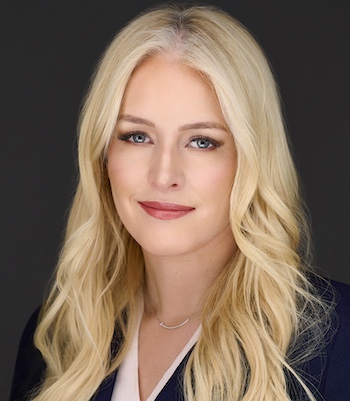
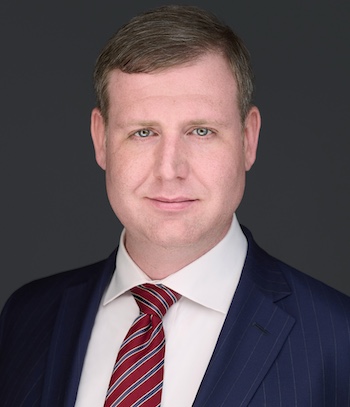
The attorneys who handle these cases

Related reading
Talk to a whistleblower attorney before you report
A conversation costs nothing and is confidential. We will tell you honestly whether what you have describes a case, and what the first-to-file rule means for your timing.