
Government Contract Fraud: Billing, Substitution and False Certification
Government contract fraud includes billing for work not performed, charging unallowable costs, substituting noncompliant or counterfeit parts, misrepresenting small business or set-aside eligibility, and falsely certifying compliance with contract terms. Each supports a False Claims Act case with treble damages and per-claim penalties.
The categories that recur
Federal contracting runs on certifications and cost accounting. Fraud shows up where those two meet the pressure to win and keep work.
- Labor mischarging, where hours are booked to a cost-reimbursable contract that funds other work
- Charging unallowable costs under the Federal Acquisition Regulation cost principles
- Defective pricing, where cost or pricing data supplied during negotiation was not current or accurate
- Product substitution, including counterfeit parts and materials that do not meet specification
- Country of origin misrepresentation under the Trade Agreements Act and Buy American requirements
- Small business, SDVOSB, 8(a), and HUBZone eligibility fraud, including pass-through arrangements
- False certification of cybersecurity, quality, or testing requirements
Set-aside fraud and the pass-through
Set-aside programs reserve contracts for qualifying small businesses, service-disabled veteran-owned businesses, and other categories. The fraud is usually a front, where a qualifying entity holds the contract while a large firm performs the work and takes the economics.
The tells are consistent. The qualifying owner has no meaningful role in performance, the technical staff are employees of the larger firm, and the qualifying entity has no independent capacity to do the work. Employees at either company can see this.
Testing and quality certification
Contracts frequently require testing to specification before delivery. Skipping tests, adjusting results, or certifying testing that never occurred is a false claim, and in defense and infrastructure work it can carry safety consequences that make the government act quickly.
Frequently asked questions
Does this apply to grants and cooperative agreements?
Yes. The False Claims Act covers claims for federal money generally, including grants and cooperative agreements, not only procurement contracts.
What is defective pricing?
Under the Truth in Negotiations Act, contractors must supply current, accurate, and complete cost or pricing data during negotiation. Withholding data that would have lowered the price is defective pricing and can support a False Claims Act claim.
I work at the large firm doing the work on a set-aside contract. Can I file?
Yes. Employees of either the qualifying entity or the firm actually performing are well positioned, because the pass-through arrangement is visible from both sides.
How are damages calculated in a product substitution case?
Courts have used several measures, including the full contract value where the delivered product was worthless for its purpose. Because damages are trebled, substitution cases can produce recoveries well above the price difference.
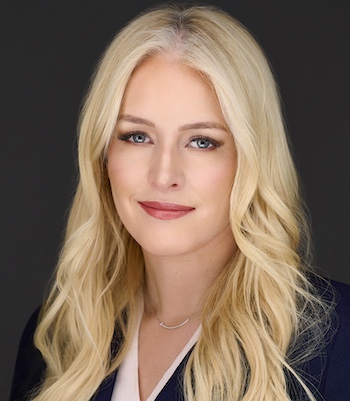
The attorneys who handle these cases


Related reading
Talk to a whistleblower attorney before you report
A conversation costs nothing and is confidential. We will tell you honestly whether what you have describes a case, and what the first-to-file rule means for your timing.