
Pharmaceutical Fraud: Off-Label Promotion, Pricing and Kickbacks
Pharmaceutical fraud includes promoting drugs for uses the FDA has not approved and federal programs do not cover, misreporting best price or average manufacturer price, and paying prescribers through speaker programs or consulting arrangements. Manufacturers, pharmacies, and prescribers can each be liable.
$9 million settlement in a non-intervened fentanyl qui tam case
Off-label promotion
A physician may prescribe off-label. A manufacturer may not promote off-label, and a federal program is not required to pay for a use outside the medically accepted indications.
When a manufacturer builds a commercial strategy around an unapproved use, trains its sales force to promote it, and the resulting prescriptions are billed to Medicare, Medicaid, or TRICARE, the claims are false and the manufacturer caused their submission.
Government pricing fraud
Manufacturers must report pricing data that determines what federal programs pay and what rebates are owed. Misreporting it is a distinct and substantial category of case.
- Understating best price to reduce Medicaid rebate obligations
- Misclassifying a brand drug as generic under the rebate program
- Failing to include discounts, rebates, and fees in average manufacturer price
- Reporting inflated average wholesale price to widen the provider spread
- Misreporting 340B eligibility and duplicate discounts
Payments to prescribers
Speaker programs, advisory boards, consulting agreements, preceptorships, and research grants are all legitimate in principle and all recur in enforcement.
The tells are consistent: honoraria above fair market value, speakers selected by prescribing volume, programs with thin or repeat attendance, and content that never changes. Sales representatives see all of this directly and are frequently the relators.
Our result in this area
Our attorneys obtained a 9 million dollar settlement in a non-intervened case involving Subsys, a sublingual fentanyl product approved only for breakthrough cancer pain in opioid-tolerant adults, dispensed for off-label and non-medically necessary uses billed to Medicare, Medicaid, and TRICARE.
The case reached a private equity owner and its principals personally. The government did not intervene and the case was carried anyway.
Frequently asked questions
I am a pharmaceutical sales representative. Can I be a whistleblower?
Sales representatives have brought many of the largest pharmaceutical False Claims Act cases. You see the promotional strategy, the speaker program economics, and the targeting directly.
Is off-label prescribing itself illegal?
No. A physician may prescribe off-label. The issues are manufacturer promotion of the unapproved use, payments that induced prescribing, and billing federal programs for a use they do not cover.
What is best price fraud?
Manufacturers must report the lowest price available to most purchasers, which sets Medicaid rebate obligations. Understating it reduces rebates owed and is a reverse false claim.
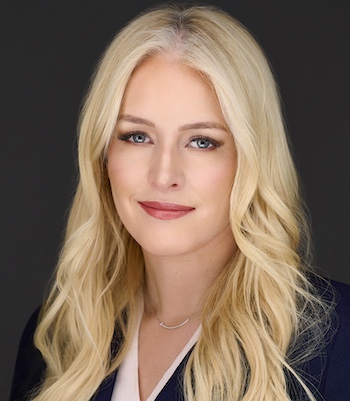
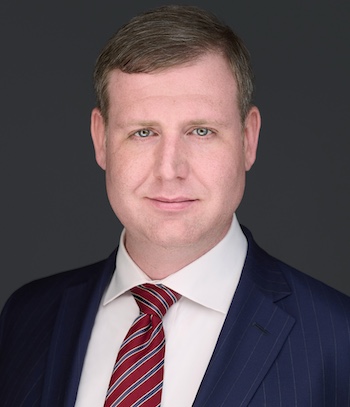
The attorneys who handle these cases

Related reading
Talk to a whistleblower attorney before you report
A conversation costs nothing and is confidential. We will tell you honestly whether what you have describes a case, and what the first-to-file rule means for your timing.